Campaign Finance
02/06/2018

Incumbents Generally Ahead in 30-day-out Reports

TXElects

State candidates with primary opponents were required to file 30-day-out campaign finance reports on Monday. These are normally accessible online early the next morning, but today they were not available until late afternoon. We are in the process of going through the totals – most of the reports themselves remain unavailable – but we wanted to share results for those primaries we have identified as hot races.

Highlights

  • Most incumbents out-raised their opponents. Exceptions included Agriculture Comm. Sid Miller and Reps. Diana Arevalo, Dennis Bonnen, Sarah Davis, Dawnna Dukes and Charlie Geren.
  • Several challengers spent more than incumbents, including Trey Blocker, Emily Cook, Susanna Dokupil and Mayes Middleton.
  • Most incumbents have more cash on hand than their opponents. Exceptions included Miller, Sen. Craig Estes and Reps. Arevalo, Dukes, Wayne Faircloth, Dan Flynn, Mary Gonzalez, Ron Reynolds and Jason Villalba.
  • Speaking of Reynolds, he filed his first campaign finance reports in nearly two years.

Please see our Crib Sheets and Hot Races page for the latest campaign finance results.

Statewide

AGRIC: Challenger Trey Blocker out-raised Comm. Sid Miller (R), $78K to $9K, and has a slight advantage in cash on hand, $415K to $393K. Blocker outspent Miller, $167K to $50K. For the election cycle, Miller has spent $974K and Blocker has spent $847K.

LAND: Comm. George P. Bush (R) raised $183K, which was 10 times the amount raised by former Comm. Jerry Patterson (R), and Bush has a $2.9M advantage in cash on hand.

Senate

SD2: Sen. Bob Hall (R-Edgewood) out-raised Rep. Cindy Burkett (R-Sunnyvale), $239K to $134K, and he has a 7-to-1 advantage in cash on hand, $448K to $64K.

SD8 open: Buoyed by a $2M loan from the campaign of Atty. Gen. Ken Paxton, Angela Paxton has a $2.1M to $1.4M advantage in cash on hand. Phillip Huffines out-raised Angela Paxton, excluding the loan proceeds, $167K to $141K, and outspent her, $760K to $355K.

SD17: Sen. Joan Huffman (R-Houston) out-raised Kristin Tassin, $83K to $73K, and has a $408K advantage in cash on hand. Huffman outspent Tassin, $109K to $56K.

SD30: Sen. Craig Estes (R-Wichita Falls) out-raised Rep. Pat Fallon (R-Frisco), $106K to $31K, but the challenger has a $1.3M to $428K advantage in cash on hand. Estes outspent Fallon, $281K to $233K.

SD31: Sen. Kel Seliger (R-Amarillo) out-raised his two rivals combined and has nearly $1.2M more on hand than his nearest rival. Seliger spent $531K during the period, five times his rivals combined.

House Republicans

HD2: Rep. Dan Flynn (R-Van) out-raised Bryan Slaton, $35K to $11K, but Slaton has a $75K to $22K advantage in cash on hand.

HD8 open: Cody Harris out-raised Thomas McNutt, $59K to $19K, but McNutt has a better than $150K advantage in cash on hand. Linda Timmerman raised $21K but has only $19K on hand.

HD18: Rep. Ernest Bailes (R-Shepherd) out-raised Emily Cook, $116K to $84K, and he has a slight lead in cash on hand, $87K to $79K. Cook narrowly outspent Bailes, $41K to $37K.

HD23: Rep. Wayne Faircloth (R-Dickinson) out-raised Mayes Middleton, $79K to $10K, but the challenger outspent Faircloth, $276K to $41K, and has a $303K to $214K edge in cash on hand over the incumbent. Middleton has spent $854K so far this cycle, more than triple Faircloth’s $245K.

HD25: Challenger Damon Rambo out-raised Rep. Dennis Bonnen (R-Angleton), $103K to $51K, but Bonnen maintains a $627K edge in cash on hand.

Mayes Middleton
Mayes Middleton

HD47: Rep. Paul Workman (R-Austin) out-raised Jay Wiley, $81K to $30K, and he has a nearly 2-to-1 lead in cash on hand over the challenger. A third Republican reported no contributions and no cash on hand.
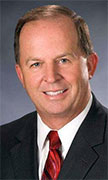
Rep. Wayne Faircloth

HD54: Rep. Scott Cosper (R-Killeen) out-raised his opponents, $48K to $2K, and he has a $55K to $19K advantage in cash on hand over Larry Smith.

HD55: Rep. Hugh Shine (R-Temple) raised $78K, well more than C.J. Grisham ($12K) or Brandon Hall ($10K). Shine has a 9-to-1 advantage in cash on hand over either challenger.

HD59: Rep. J.D. Sheffield (R-Gatesville) raised $46K and has $48K on hand. He spent $51K. Challenger Chris Evans’s report was not available.

HD64: Rep. Lynn Stucky (R-Sanger) out-raised Mark Roy, $99K to $6K, and he has a $55K advantage in cash on hand.

HD73: Rep. Kyle Biedermann (R-Fredericksburg) out-raised Dave Campbell, $66K to $37K, but the two are just about even in cash on hand with $65K each.

HD87: Rep. Four Price (R-Amarillo) out-raised Drew Brassfield, $81K to $3K, and has a nearly $550K advantage in cash on hand.

HD88: Rep. Ken King (R-Canadian) out-raised his two primary challengers combined and has a nearly 10-to-1 advantage in cash on hand over Jason Huddleston.

HD98: Rep. Giovanni Capriglione (R-Southlake) out-raised Armin Mizani, $123K to $3K, and outspent him, $85K to $64K. The incumbent holds the edge in cash on hand, $68K to $40K.

HD99: Challenger Bo French out-raised Rep. Charlie Geren (R-Fort Worth), $281K to $85K, but the incumbent outspent him, $286K to $79K. Geren has the cash-on-hand advantage, $315K to $221K.

HD114: Rep. Jason Villalba (R-Dallas) out-raised Lisa Luby Ryan, $67K to $7K, but the challenger leads in cash on hand, $204K to $42K, and is competitive in spending. Villalba outspent Ryan, $76K to $60K.

Bo French
Bo French

HD121 open: Charlotte Williamson took out a $100K loan to fuel $54K in spending and a $47K cash-on-hand balance. Marc Whyte leads the field with $85K on hand and raised the most ($32K) for the period, outside of Williamson’s loan.

HD122: Rep. Lyle Larson (R-San Antonio) out-raised Chris Fails, $53K to $17K, and outspent him, $62K to $13K. Larson has a $532K advantage in cash on hand.

HD134: Challenger Susanna Dokupil out-raised Rep. Sarah Davis (R-Houston), $257K to $223K, and narrowly outspent the incumbent, $81K to $77K. Davis has a cash-on-hand advantage of $245K to $88K

House Democrats

HD27: Rep. Ron Reynolds (D-Missouri City) filed his first campaign finance reports in nearly two years. He reported $8K in contributions on his 30-day-out report and nearly $18K on a late-filed January semiannual report. He has $2K on hand. Challenger Wilvin Carter raised $8K and has $19K on hand.

HD31: Rep. Ryan Guillen (D-Rio Grande City) out-raised Ana Lisa Garza, $73K to $6K, erasing her prior advantage in contributions. Guillen reported having $1M on hand, well over Garza’s $16K.

HD46: Rep. Dawnna Dukes (D-Austin) reported no contributions, and she has less than $2K on hand. Sheryl Cole led the challengers with $12K in contributions. She and Chito Vela each have slightly over $20K on hand to lead the field.

HD75: Rep. Mary Gonzalez (D-Clint) out-raised MarySue Femath, $38K to $2K, but Femath has a narrow lead in cash on hand, $45K to $44K. Beyond a $100K contribution from the Ysleta del Sur Pueblo, Femath has raised just $13K.

HD104: Rep. Roberto Alonzo (D-Dallas) out-raised Jessica Gonzalez, $20K to $11K, and he has a $149K to $30K advantage in cash on hand.

HD116: Former Rep. Trey Martinez Fischer (D-San Antonio) narrowly out-raised Rep. Diana Arevalo (D-San Antonio), $23K to $18K, and outspent the incumbent, $38K to $19K. Martinez Fischer has the edge in cash on hand, $70K to $13K.

©2018 Texas Election Source LLC

🎙️We Have a Podcast! 🎙️

Bills and Business is your go-to podcast for conversations related to Texas legislation and business. Hosted by Laura Carr, Co-Founder of USLege—an AI-driven legislative tracking software—we bring you in-depth analysis on economic trends, impactful legislation, and key developments shaping Texas business.

Subscribe on Youtube and Spotify for weekly episodes!

🔍 USLege - The Only AI-First Political Tracking Solution ✨

USLege helps you track legislation and find what you need faster from bills, committee hearings, floor debates, and state agency meetings faster.

Say goodbye to tedious tasks!

You can follow USLege on LinkedIn, Facebook, and X.

🤝 Texas Association of Business 📈

Texas Association of Business (TAB) is the Texas State Chamber, representing companies of every size and industry. TAB’s purpose is to champion the best business climate in the world, unleashing the power of free enterprise to enhance lives for generations.

You can follow TAB on LinkedIn, Facebook, and X.

Table of Content
  1. 01 First
Trusted by Government Affairs Professionals and Corporate Policy Teams
Blog & Articles

Read more news

Texas Political Spotlight
This is some text inside of a div block.

Welcome back, friends

Texas is facing a pivotal legal test over its election system as Republicans seek to end open primaries, a move that supporters frame as protecting party autonomy and critics warn could create new barriers to voter participation. At the same time, federal officials are considering a land exchange that would allow SpaceX to expand its South Texas launch site, renewing debate over how to balance economic growth with the preservation of sensitive wildlife habitat along the Gulf Coast. Lastly, a federal judge has blocked a new Texas law regulating children’s access to app stores, underscoring the ongoing uncertainty over how far states can go in policing online safety without infringing on constitutional rights.

We hope you enjoyed today’s read!

Stay connected with TXLege News on X and LinkedIn!

#44 - Hope Osborn: Building Community for Women in Texas Politics with Pink Granite
This is some text inside of a div block.

Welcome to Episode #44 of Bills & Business. In this episode, Laura Carr, Co-Founder of USLege, sits down with Hope Osborn, Co-Founder of The Pink Granite Foundation.

Hope brings more than a decade of experience across the Texas Capitol, having worked in both chambers, both parties, and in the advocacy world. She shares the story behind The Pink Granite Foundation and how it has grown into a nonpartisan force for uplifting, connecting, and supporting women in Texas politics. From its grassroots beginnings to the impact of the 2025 Pink Granite Party, Hope provides an inside look at how the organization strengthens the political ecosystem.

Laura and Hope explore the nonprofit’s mentorship programs, year-round community-building efforts, and the unique pressures women face working under the dome. Hope offers insight into why women’s leadership in politics matters, how to break down persistent barriers, and what the future looks like for the next generation of female leaders in Texas policymaking.

Don’t forget to subscribe to Bills & Business on Apple Podcasts, Spotify, and YouTube for more deep dives into Texas policy and business news.

📲 Follow Laura Carr

🐦 Twitter: @Laura_USLege https://x.com/Laura_USLege

💼 LinkedIn: https://www.linkedin.com/in/laurauslege/

📸 Instagram: https://www.instagram.com/thereallauracarr/

🛍️ ShopMy: https://shopmy.us/shop/lauraluise?Section_title=latest-finds&tab=collections

✍️ Substack: https://lauraluise.substack.com/

🔗 Links: https://lauraluise.carrd.co/

📲 Follow USLege

✨ Instagram: https://www.instagram.com/uslege.ai/

📘 Facebook: https://www.facebook.com/USLegeai

🐦 Twitter: @USLege_ai https://x.com/USLege_ai

💼 LinkedIn: https://www.linkedin.com/company/uslege-ai/

🎧 Subscribe to Bills & Business

🌐 Website: https://www.uslege.ai/

▶️ YouTube: https://www.youtube.com/@BillsandBusiness

🎵 Spotify: https://open.spotify.com/show/22ZWg9VVb2AEGqyV14osNi?si=effe3795f8414171

🍎 Apple Podcasts: https://podcasts.apple.com/ph/podcast/bills-and-business-by-uslege/id1781059329

🎥 TikTok: https://www.tiktok.com/@uslege

📲 Follow Hope Osborn

💼 LinkedIn: https://www.linkedin.com/in/hopeosborn/

🐦 Twitter: https://x.com/HopeOsbornTX

🎬 Produced by USLege

📞 Want to see USLege in action? Schedule a demo today! https://www.uslege.ai/demo

How to Choose the Right Legislative Bill Tracking Software for Your Organization
This is some text inside of a div block.

Legislative bill tracking software now sits at the center of how modern organizations monitor public policy.

With fast-moving legislation across states and at the federal level, even a single missed update can derail compliance, strategy, and stakeholder communication.

For government affairs, public affairs professionals, and policy professionals, the challenge is no longer finding information.

The real challenge is staying up to date, sorting through massive amounts of data, and acting fast enough to stay ahead of regulatory developments.

Organizations that still rely on manual tracking often miss hearing schedules, committee assignments, and vote movement during an active legislative session.

Those delays lead to rushed analysis, weak talking points, and reduced control over regulatory strategy.

This guide explains how modern legislative and regulatory tracking works, what features matter most, and how to evaluate legislative bill tracking software with confidence.

It also outlines how the right tools help organizations save time, stay informed, and work smarter with fewer resources.

What a Legislative Tracking Platform Actually Does

A legislative tracking platform collects bills, executive orders, and regulatory updates from Congress and state agencies.

It organizes full text, status, hearing schedules, and vote outcomes into a searchable structure.

Instead of searching dozens of sites, users access critical information in a single workspace.

This creates comprehensive coverage across jurisdictions and timeline stages.

Manual Monitoring vs Automated Systems

Manual tracking depends on email newsletters, website checks, spreadsheets, and delayed reports.

Automated tracking legislation systems rely on structured data feeds, continuous search processing, and AI-powered tagging.

This shift allows teams to track bills in real time while reducing reporting lag.

Who Relies on Legislative and Regulatory Tracking Every Day

Government Affairs Teams

Government affairs teams track legislation to advise internal leadership and shape outreach strategy.

They monitor committee hearings, regulatory changes, and voting calendars to anticipate outcomes.

Government Affairs Professionals

Government affairs professionals depend on real-time alerts to prepare briefings, manage stakeholder communication, and coordinate advocacy activity.

Public Affairs Professionals

Public affairs professionals use legislative tracking to stay informed on pending legislation that affects public positioning.

They use alerts, bill summaries, and reports to guide messaging and response timing.

Policy Professionals

Policy professionals analyze regulatory and legislative movement for forecasting and risk modeling.

Core Functions Every System Must Deliver

Real Time Alerts and Notifications

Real-time alerts ensure that no major event is missed.

Users receive status change alerts, hearing alerts, committee movement alerts, and vote alerts.

Many systems also deliver real-time legislative alerts and real-time notifications to multiple team members at once.

Email alerts remain a core communication channel.

Search and Filtering Tools

Strong search features allow users to search by keyword, bill number, sponsor, topic, and date.

Advanced filters allow professionals to track across Congress, agencies, and jurisdictions without manual sorting.

Bill Summaries and Full Text Access

Clear bill summaries help professionals review large volumes of legislation quickly.

Full text access supports detailed analysis when a deeper review is required.

Tracking Across the Full Legislative Process

The legislative process unfolds across many stages.

A strong tracking system follows every phase without delay.

Stages include introduction, committee hearing, committee vote, floor vote, reconciliation, and enactment.

Tracking each stage allows organizations to act with speed and precision.

Why Organizations Struggle Without Proper Tracking

Without reliable legislative tracking, organizations often miss key vote windows and fall behind on regulatory changes.

They lose early access to hearing schedules and waste time on manual legislative research.

Manual tracking also weakens stakeholder engagement and limits the ability to anticipate outcomes.

How AI-Powered Tracking Improves Speed and Accuracy

AI-powered systems classify bills by topic, industry, and risk level.

They reduce noise while increasing signal clarity.

Key AI-powered functions include automated tagging, predictive analysis, sentiment scoring, and impact forecasting.

This allows teams to anticipate policy shifts instead of reacting after passage.

Staying Ahead in Fast-Moving Legislative Environments

Fast-moving legislation often changes direction within days.

Organizations that stay ahead rely on continuous data intake and structured alerts.

To stay ahead consistently, teams must track daily activity, review bill movement, monitor committee assignments, and track hearing schedules.

Teams that do not stay ahead often miss early influence windows.

Jurisdictional Scope and Data Integrity

Federal Level Coverage

Federal-level tracking focuses on Congress, agencies, and executive orders.

These updates guide national strategy and compliance planning.

State and Local Monitoring

State and municipal legislation often moves faster than federal legislation.

Multi-jurisdiction tracking legislation tools allow organizations to track overlapping regulatory exposure while staying fully up to date.

The Role of Data in Modern Bill Monitoring

Data drives every element of tracking software.

It supports alerts, reports, dashboards, and compliance workflows.

Reliable data strengthens legislative analysis, regulatory monitoring, stakeholder analysis, and long-term strategy planning.

Reports, Analysis, and Action Planning

Strong report functions turn raw data into usable insights.

Reports guide leadership decisions at every level of the organization.

Common reports include daily legislative summaries, weekly regulatory reports, stakeholder briefings, and executive updates.

Advanced analysis allows teams to compare date ranges, sponsors, committees, and historical vote behavior.

Supporting Advocacy and Government Relations

Advocacy relies on early awareness and quick response.

Government relations teams depend on tracking to coordinate outreach tools, stakeholder engagement, and talking points.

Legislative tracking strengthens government relations by improving access to bill summaries, hearing schedules, and pending legislation updates.

Real Time Workflow Management

Real-time alerts flow into shared team workflows.

Every alert triggers review, analysis, and response.

Real-time notifications help assign internal owners, trigger review cycles, support rapid response, and prevent missed deadlines.

This structure allows the organization to maintain control under pressure.

Managing Regulatory Risk Through Continuous Monitoring

Regulatory risk increases when organizations track sporadically.

Continuous regulatory tracking reduces exposure by keeping leadership informed of regulatory changes.

Regulatory monitoring supports compliance alignment, internal controls, and audit readiness.

Integration With Internal Systems

Modern tracking software integrates with CRM systems, internal dashboards, compliance platforms, and reporting tools.

This improves access to legislative and regulatory data across the organization while reducing manual data entry.

Search, Review, and Control Functions

Search tools help teams locate relevant bills quickly.

Review workflows to ensure accuracy and relevance.

Control layers protect access across departments.

Key Evaluation Criteria for Selecting a Platform

Usability for Professionals

Professionals require intuitive dashboards, fast search, clear alerts, and low learning curves.

Usability directly impacts adoption and performance.

Customization for Each Organization

Every organization tracks different legislation.

Customization allows industry-specific focus, regional tracking, alert priorities, and tailored reports.

Cost, Spend, and Resource Allocation

Pricing affects total spend.

Automation reduces manual effort and helps teams save time while operating with less time investment.

Team Collaboration and Communication

Tracking systems support collaboration across the full team.

Shared alerts, shared reports, and shared review processes improve transparency and alignment.

Stakeholder Management and Client Communication

Stakeholders expect timely updates.

Clients rely on clear reports to guide compliance and planning.

Tracking platforms support stakeholder trust, client communication, and strategic confidence.

Avoiding Missed Opportunities and Compliance Failures

Organizations without structured tracking often miss hearings, deadlines, amendments, and engagement windows.

Every missed update increases both legal and operational risk.

Staying Informed in High-Volume Legislative Cycles

High-volume legislative sessions demand continuous monitoring.

To stay informed, teams rely on automated alerts, daily reports, and real-time legislative alerts.

Strategic Use of Legislative and Regulatory Tracking

Legislative and regulatory tracking supports long-term policy strategy, compliance planning, advocacy positioning, and organizational risk management.

Using Tracking to Anticipate Policy Shifts

Anticipation depends on trend analysis, sponsor behavior review, historical vote patterns, and committee movement tracking.

These insights help organizations remain one step ahead.

Managing High Bill Volume With Limited Resources

Congress and state legislatures introduce thousands of bills each year.

Tracking software allows organizations to manage this volume with fewer resources and stronger control.

Accuracy, Speed, and Critical Information Flow

Accuracy ensures trust in decisions.

Speed ensures timely action.

Critical information must flow without interruption to all stakeholders.

Supporting Long-Term Strategy With Continuous Data

Continuous data monitoring aligns regulatory planning with business strategy.

It prevents reactive behavior and supports proactive positioning.

Future Direction of Legislative and Regulatory Monitoring

The future is driven by deeper AI-powered analytics, faster real-time alerts, broader data interoperability, and stronger predictive analysis.

These advances will further improve organizational readiness.

Texas Political Spotlight
This is some text inside of a div block.

Welcome back, friends

Texas is facing a pivotal legal test over its election system as Republicans seek to end open primaries, a move that supporters frame as protecting party autonomy and critics warn could create new barriers to voter participation. At the same time, federal officials are considering a land exchange that would allow SpaceX to expand its South Texas launch site, renewing debate over how to balance economic growth with the preservation of sensitive wildlife habitat along the Gulf Coast. Lastly, a federal judge has blocked a new Texas law regulating children’s access to app stores, underscoring the ongoing uncertainty over how far states can go in policing online safety without infringing on constitutional rights.

We hope you enjoyed today’s read!

Stay connected with TXLege News on X and LinkedIn!

Texas Political Spotlight
This is some text inside of a div block.

Welcome back, friends

Michael and Susan Dell’s unprecedented $6.25 billion pledge to expand federal “Trump Accounts” aims to boost long-term savings for 25 million American children. In Lubbock, Texas Tech’s new classroom restrictions on race, gender identity, and sexuality have ignited an immediate clash over academic freedom and curriculum control. And in Northeast Texas, Rep. Gary VanDeaver’s decision not to seek reelection opens a pivotal Republican primary.

We hope you enjoyed today’s read!

Stay connected with TXLege News on X and LinkedIn!

Texas Political Spotlight
This is some text inside of a div block.

Welcome back, friends

Texas voters approved one of the largest property tax relief packages in state history on Tuesday, raising the homestead exemption to $140,000 and granting new tax breaks for seniors, people with disabilities, and small businesses. In Austin, residents rejected Proposition Q, a plan to fund public safety, homelessness programs, and city facility initiatives through a property tax hike, forcing city leaders to rework the budget and brace for service cuts. Meanwhile, Bexar County voters narrowly passed Propositions A and B, greenlighting up to $311 million in tourism-funded support for a new downtown Spurs arena and upgrades to the Freeman Coliseum grounds.

We hope you enjoyed today’s read!

Stay connected with TXLege News on X and LinkedIn!